free poker machine games: the complete guide in 2026
free poker machine games rewards those who combine discipline with creative thinking at the table. Leveraging insights from free poker game machines can help you make more profitable decisions under pressure.
See also:
- Everything You Need to Know About free poker game machines
- Understanding free poker machine game bonuses: A Comprehensive Guide
- Understanding free poker machine games Bonus Offers and Wagering
- Visualising Your free poker machine games Experience
- Video Poker RTP Percentages for UK Players
- How to Find the Best free poker game machines
- Common Questions About free poker game machines Answered
- Support Resources for Australian Poker Gamblers
Everything You Need to Know About free poker game machines
free poker machine games remains ace of the most skilful and strategic variants in the betting site world, where success hinges on reading opponents and managing risk rather than relying on luck solo. Whether played in tournaments or cash games, the discipline required to master free poker machine game bonuses and bluff effectively sets poker apart from other table games. As 2026 unfolds, interest in streamed and web-based poker continues to acquire, attracting players who try the psychological depth and long-term edge that come with experience. In streamed settings, the subtle tells—a slight twitch, a nervous breath, or a confident poker chip shuffle—become critical data points that skilled players decode to gather an advantage. Online, the absence of physical cues is replaced by betting patterns, timing tells, and statistical analysis, requiring a different but equally demanding skill set. The best players consider hand histories for hours, identifying leaks in their own game and exploiting those of others. Funds management is another cornerstone, as yet the most talented punter can go broke without proper discipline, setting aside funds for downswings and avoiding lean after bad beats. In no-limit hold’em, the most sought-after variant, decisions at every street involve complex calculations of pot odds, implied odds, and fold equity, often executed under intense pressure level. Tournament play adds another layer, with blind structures forcing aggressive adjustments and ICM considerations affecting every all-in. Cash games, meantime, reward forbearance and deep-stack strategy, where spot and hand selection become paramount. The ascend of mixed games like Omaha, Macho-man, and Razz has further diversified the landscape, challenging players to expand their expertise beyond a single correction. Internet platforms now offer solvers and grooming tools that accelerate learning, but they also level the playing field, making it harder for recreational players to profit. Live dealer poker rooms, from Las Vegas to Macau, uphold to host high-stakes games where millions change hands, drawing celebrities and professionals alike. The World Series of Poker remains the pinnacle, with its Main Event attracting thousands and offering life-changing sums. Beyond the money, poker fosters a community of thinkers who divvy up a passionateness for strategy and competition. For beginners, starting with micro-stakes games and studying canonic concepts like starting hand charts and post is essential. Advanced players delve into game theory optimal (GTO) strategies, balancing bluffs and value bets to remain unexploitable. The psychological aspect is just as crucial: maintaining a calm demeanor after a bad beat, projecting confidence with a weak hand, and knowing when to bend a strong hand against a tighter opponent. As technology evolves, virtual reality poker rooms may before long offer immersive experiences that blend live and virtual elements. Meanwhile, regulation changes in various countries continue to shape the market, with some jurisdictions legalizing online poker to generate taxation revenue. The future of poker looks lustrous, with fresh generations discovering the game through streaming platforms and social media influencers. Ultimately, poker’s enduring appeal lies in its non-finite complexity—no two hands are exactly alike, and there is ever sir thomas more to find out. Whether you are a casual gambler or an aspiring pro, the journey to mastery is a rewarding one, filled with challenges, camaraderie, and the vibrate of outsmarting opponents. As the game evolves, so too must its players, adapting to new strategies and technologies to maintain their edge. The discipline of free poker machine game spins and bluffing remains at the core, but the bodoni font poker player must also understand range expression, board texture, and opponent tendencies.
Understanding free poker machine game bonuses: A Comprehensive Guide
Understanding the Basics of Online Poker
Online poker has revolutionised the way players engage with one of the most beloved card games in the world. At its core, poker is a game of skill, strategy, and psychology, where players compete against each other instead than the house. The nonsubjective is to form the best possible five-card hand according to the game’s hand rankings, or to bluff opponents into folding. Hand rankings are fundamental: from the highest, a Royal Flush (Ace, King, Queen, Jack, Tenner of the same suit), down to a High Card. Beginners must memorise these rankings to make informed decisions. Digital poker platforms offer a variety of formats, including Texas Hold’em, Omaha, Seven-Card Stud, and sir thomas more. Texas Hold’em is the most well-known variant, where each player receives two private cards and shares five community cards. The game proceeds through betting rounds: pre-flop, flop, turn, and river. Understanding position at the table—being last to act gives an advantage—and skunk odds, which compare the potential reward to the cost of calling, is crucial. Online poker also introduces features similar auto-action buttons, hand chronicle reviews, and multi-tabling, allowing players to play multiple tables simultaneously. The digital environment speeds up play, so decisions must be made in short order. Additionally, many sites offer tutorials and free play tables for beginners to practise without risking real money. Mastering the basics of paw rankings, betting structures, and table dynamics is the first step to comely a competent online poker gambler.
Navigating Poker Rooms and Choosing the Right Platform
Selecting a reputable poker room is essential for a safe and enjoyable experience. In the UK, players should look for sites licensed by the UK Gambling Commission (UKGC), which ensures fair play, secure transactions, and responsible gambling measures. A good poker room offers a user-friendly interface, a wide range of stakes, and a variety of game types. Developer lineament matters: features like smooth gameplay, clear graphics, and customisable settings enhance the experience. Many platforms provide downloadable clients, instant-play via web browsers, and mobile apps for gaming on the go. Traffic volume is another key factor; high-traffic sites assure there are always active tables and tournaments, while smaller rooms may have limited options. Players should also consider the customer pool’s skill level—some rooms pull in thomas more recreational players, which can be profitable for skilled individuals. Bonuses and promotions, such as welcome bonuses, rakeback, and loyalty programmes, can supercharge bankrolls but come with terms and conditions like wagering requirements. It’s wise to read the amercement print before committing. Additionally, customer support caliber and payment method variety—including debit cards, e-wallets, and bank transfers—are important. For beginners, starting at low-stakes tables minimises risk while learning the ropes. Advanced players might seek high-stakes games or specialised variants. Ultimately, the right poker elbow room balances surety, game selection, and user experience to suit individual preferences.
casino 10 minimum deposit 2026 — 10 minimum deposit casino online
Exploring Tournament and Cash Game Dynamics
Poker tournaments and cash games supply fundamentally different experiences. In tournaments, players buy in for a fixed fee and receive a stack of chips. Blinds increase at regular intervals, forcing action and eventually eliminating players until one wins the prize pool. Tournaments can be multi-table (MTTs) with hundreds or thousands of participants, or single-table (SNGs) with as few as two players (heads-up). Payout structures vary: top finishers receive larger prizes, and some tournaments feature rebuys or add-ons. The strategy involves adjusting to blind levels, managing chip stacks, and understanding ICM (Independent Chip Model) in later stages. Cash games, on the other hand, have blinds that remain constant, and players can buy in and leave at any time. Chips represent real money, so bankroll management is vital. Cash game strategy focuses on deep-stacked play, exploiting opponents’ tendencies, and maximising value from strong hands. The gait is slower than tournaments, and players can choose their bet level. Both formats require different mindsets: tournament players must be patient yet aggressive during screen increases, while cash game players aim for consistent small wins. Online, both formats are available at various stakes, with features like sit-and-go tournaments, turbo structures, and bounty tournaments adding variety. Savvy these dynamics helps players select the format that suits their style and goals, whether it’s the vibrate of chasing a tournament win or the becalm pulverization of cash games.
star poker sydney — key facts 2026 | star poker sydney
blue leo casino login — what to know 2026 | blue leo casino login
When evaluating free poker machine games, always check the wagering requirements.
Understanding free poker machine games Bonus Offers and Wagering
- 36% first deposit bonus
- 50 free spins welcome
- 50x playthrough
- 50x wagering within 21 days
Visualising Your free poker machine games Experience
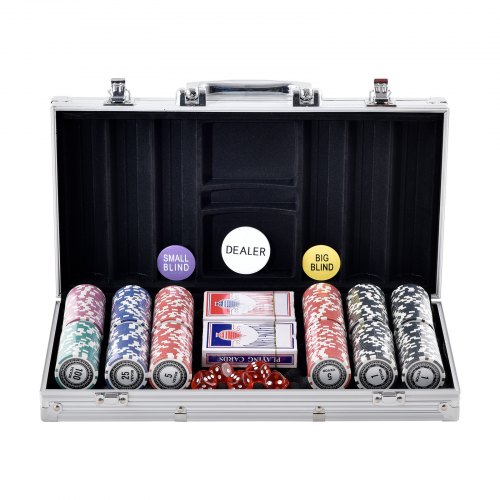
Video Poker RTP Percentages for UK Players
| Make | Biggest win | RTP | Year | Provider |
|---|---|---|---|---|
| Opal Odyssey | 215,000 | 75% | 2025 | Quickspin |
| Uptown Aces | 27,500 $ | 125% | 2024 | Pragmatic Play |
| Spin Samurai | 5,000 $ | 100% | 2024 | Quickspin |
| Vegas Hero | $215,000 | 50% | 2025 | Pragmatic Play |
| Kangaroo Casino | 12,400 AUD | 75% | 2023 | Evolution |
| Lucky Leprechaun | 84,700 | 75% | 2024 | Microgaming |
How to Find the Best free poker game machines
Understanding Online Poker and Poker Rooms
- Online poker replicates the classic card game in a digital environment, allowing you to play against others from your computer or mobile device. The core rules remain identical to live poker, with the same hand rankings and betting structures. For instance, a Royal Flush still beats a Full House, and betting rounds proceed in the same order—preflop, washout, turn, and river. The only difference is that chips are virtual, and the deck is shuffled by vendor rather than a human dealer. This digital translation preserves the strategic depth of the game while adding convenience and accessibility.
- Poker rooms are the virtual venues where these games take place. Each way offers a lobby where you can browsing usable tables, strain by game type (Texas Hold’em, Omaha, etc.), stake tear down, and player count. You can also insure average pot sizes, players per fizzle, and wait times for seats. Some rooms even display player statistics like voluntary put money in pot (VPIP) and preflop raise per centum, helping you select tables with weaker opponents. The lobby is your control nerve center, and learning to navigate it efficiently is key to finding profitable games.
- Most poker rooms provide a client software or web-based interface. You’ll need to create an account, make a deposit, and then choose a table to join. Many platforms feature tutorial modes for beginners, where you can play against bots or in low-stakes games without risking real money. Deposits are typically made via credit card, e-wallet, or cryptocurrency, and withdrawals are processed similarly. It’s important to go through the conditions, as some rooms have wagering requirements for bonuses that affect how you can withdraw funds.
- A key difference from live poker is the pace of play. Online games are faster because there is no physical dealing or splintering counting. This means you see more hands per hour, which can quicken both learning and potential profits. In a live game, you might see 30 hands per hour, while online you can see 60-100 hands per hour on a single table game. This speed also way that variance can be higher in the short term, but your skill edge compounds more quickly. Many players make use of this to their vantage by playing multiple tables simultaneously, a practice known as multi-tabling.
- Security measures and fairness are maintained through random number generators (RNGs) that shuffle the deck. Reputable rooms are regularly audited by third parties to ensure randomness and integrity. These audits check that the RNG produces truly random results and that the card dispersion is unbiased. Additionally, poker rooms employ security measures to prevent collusion, bots, and other forms of cheating. They monitor player behavior for suspicious patterns, such as multiple accounts from the same IP reference or unusual betting patterns that suggest teamwork.
- Many online poker rooms offer features like hand chronicle reviews, note-taking on opponents, and multi-tabling (playing several tables simultaneously), which are not possible in streamed settings. Hand histories allow you to analyze your play after a session, identifying leaks and improving your strategy. Note-taking lets you register observations about opponents’ tendencies, such as how often they bluff out or fold to raises. Multi-tabling is a powerful tool for increasing hourly win rates, but it requires discipline and focus to avoid making high-priced mistakes. Together, these features make online poker a rich environment for both learning and profit.
Players who enjoy free poker machine games often prefer live dealer options.
Common Questions About free poker game machines Answered
What is the difference between a poker tournament and a cash game?
In a tournament, you pay a fixed buy-in for a set keep down of chips and play until one player wins all chips; prizes are awarded based on finishing positions. In a hard cash game, chips represent real money, you can join or go away at any time, and each hand is played for its own stakes.
How do online poker rooms put to work?
Online poker rooms are digital platforms where players connect from anywhere to play poker against each other. They offer various game types, stakes, and tournaments, using random number generators to ensure fair dealing.
What are the basic hand rankings in poker?
From highest to lowest: Royal Flush, Straight Flush, Four of a Kind, Full House, Flush, Unbowed, Three of a Kind, Two Pair, One Pair, High Card. Understanding these is essential for knowing which hands win.
What is video poker and how does it differ from live poker?
Video poker is a single-player electronic game where you strain to piddle the best poker hand from cards dealt by a machine; it’s based on chance and simple strategy, unlike streamed poker which involves multiple opponents and bluffing.
What should a beginner know before playing online poker?
Start by learning hand rankings and basic strategies for your chosen format, like tight-aggressive play. Use low-stakes tables or free games to practice, and always handle your bankroll responsibly.
Support Resources for Australian Poker Gamblers
Gambling is strictly for adults aged 18 and over. All UK-licensed casinos are regulated by the Gambling Commission (UKGC) to ensure fairness and punter trade protection. If you feel your gambling is becoming a problem, you can use the national self-exclusion scheme GAMSTOP to block access to all participating sites. For confidential support, contact lens GamCare or BeGambleAware on the National Gambling Helpline at 0808 8020 133. Always set deposit and time limits before you play, and think that gambling should be for entertainment only – never gamble to chase losses.